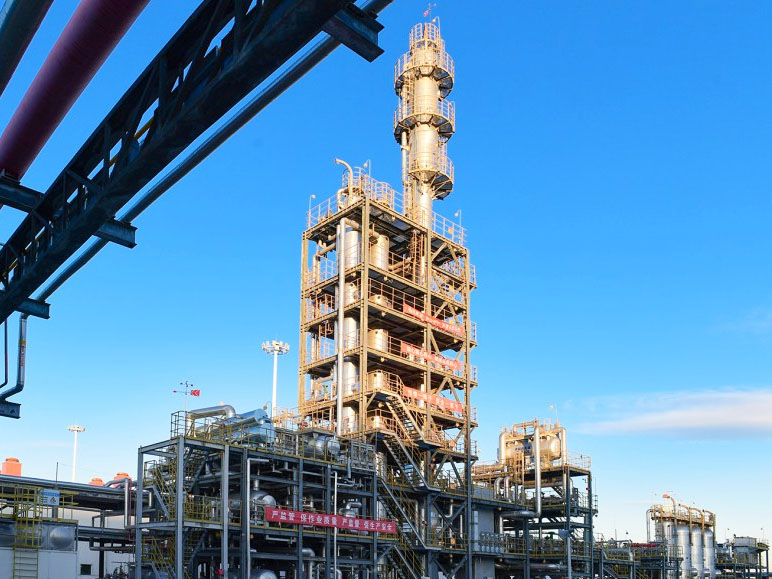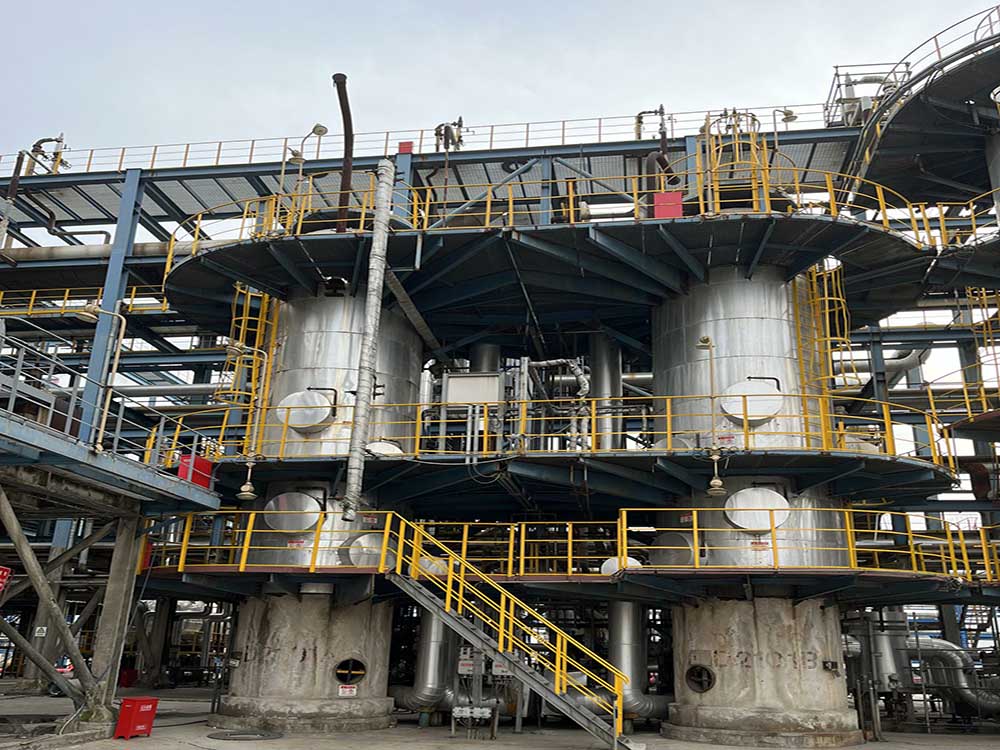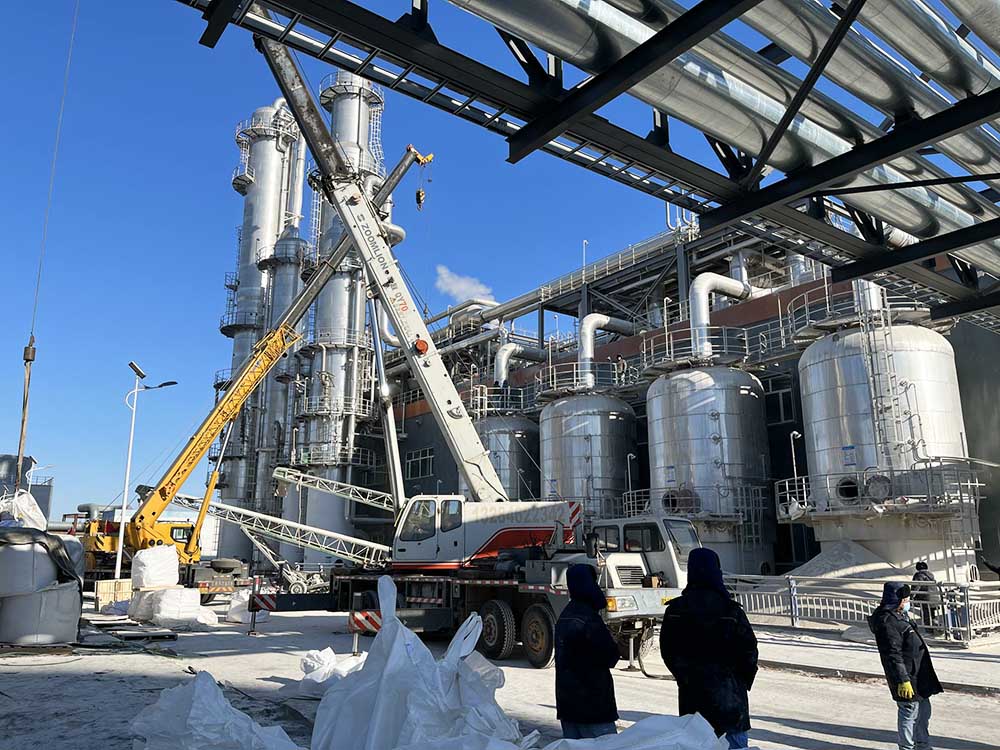
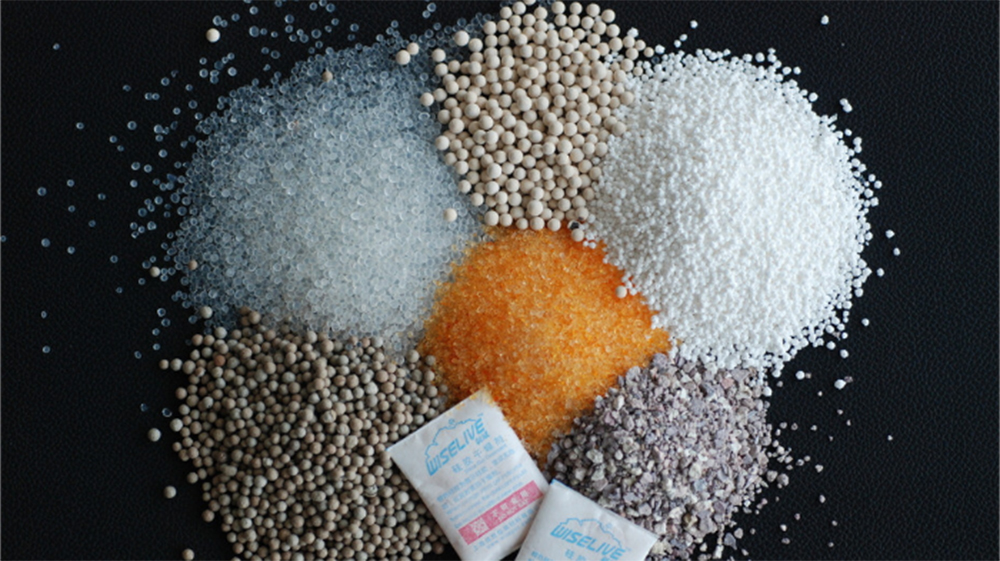
Molecular sieves, activated alumina, and silica gel are common adsorbent desiccants, which are widely used in adsorption drying equipments. Here let’s explore the selection of desiccant in different situations.
High Temperature Conditions
Molecular sieve is one of the high temperature adsorbents available.
At 100°C and 1.3% relative humidity, molecular sieve can absorb 15% of moisture by weight, which is ten times greater than the moisture absorption of activated alumina under the same conditions; and more than twenty times greater than that of silica gel.
Therefore, at higher temperatures, molecular sieve can still adsorb a considerable amount of moisture, while activated alumina, especially silica gel, has greatly lost its adsorption capacity.
Low Partial Pressure Conditions
The disadvantage of activated alumina is that it only has greater adsorption capacity at high water partial pressures.
But the adsorption rate of molecular sieve for polar molecules, such as water molecule, is much higher than that of activated alumina and silica gel, even when the partial pressure or concentration of water is very low.
High Humidity Conditions
When the relative humidity is very high, the equilibrium water absorption capacity of activated alumina and silica gel is higher than that of molecular sieve.
However, as the linear speed of the adsorbate increases, the water absorption rate of silica gel becomes less and less efficient than molecular sieve. Generally, silica gel is used for drying when the relative humidity is high, and molecular sieve is used for adsorption when the humidity is low.
If the drying temperature and humidity are both very high, it is recommended to use activated alumina or silica gel for the first layer of drying, and then use molecular sieve for further adsorption, so as to give full play to the characteristics of molecular sieve, activated alumina and silica gel to achieve the best drying results.