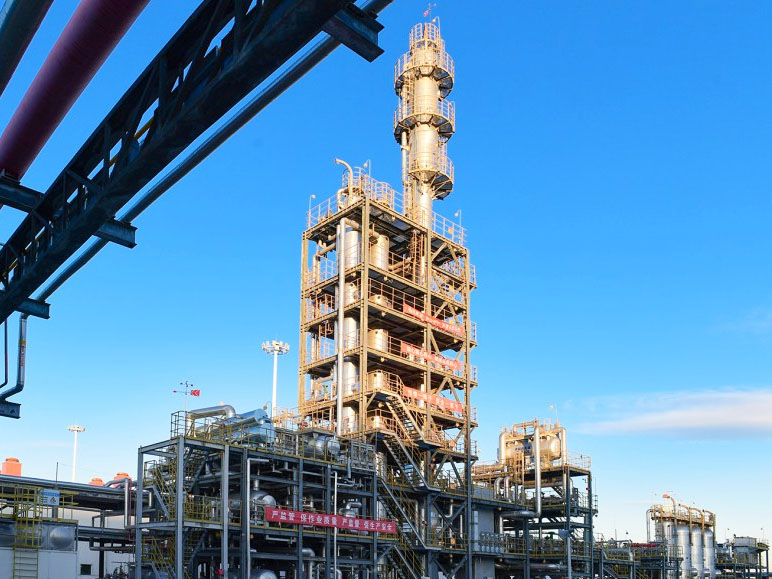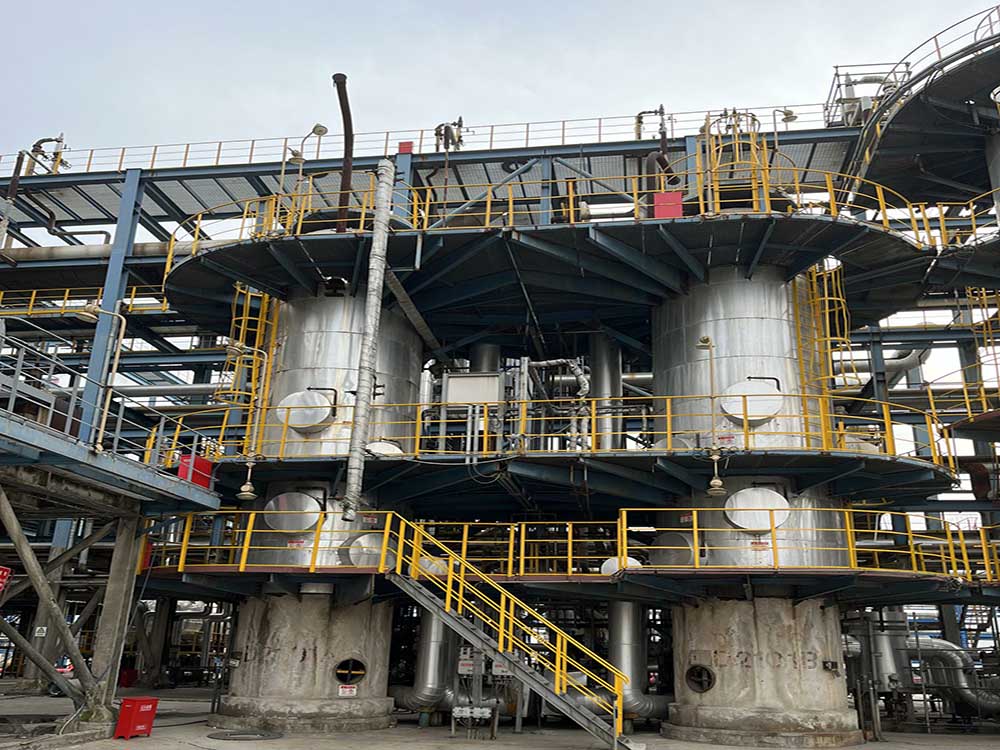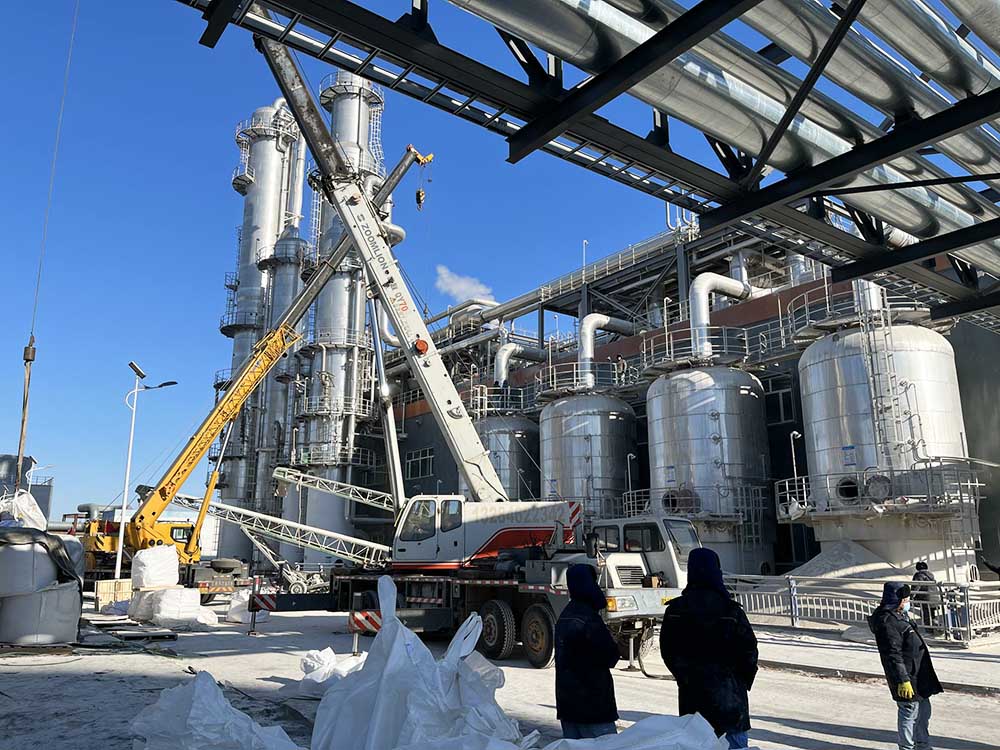
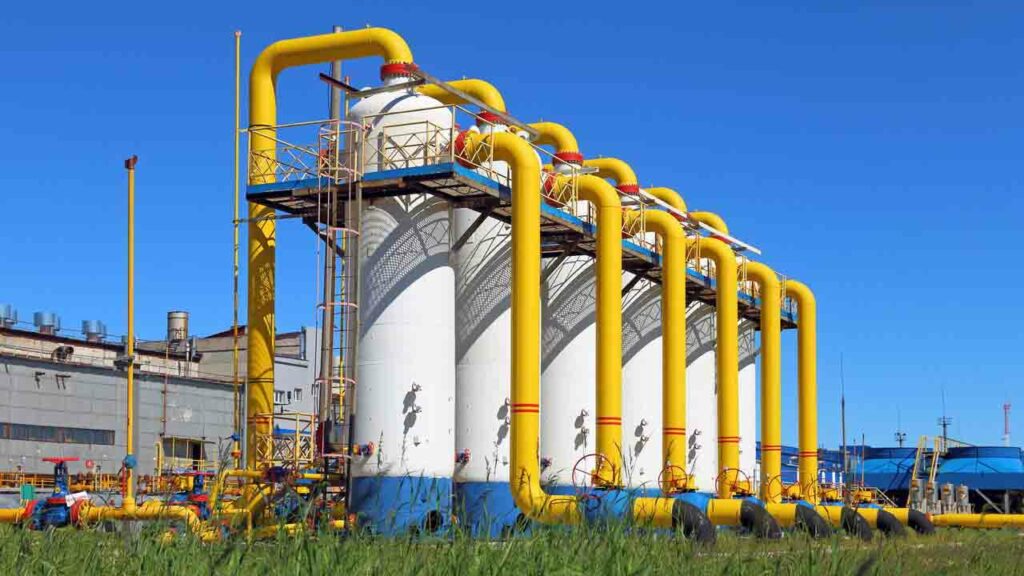
Air drying is an essential process, because getting moisture-free industrial air directly is nearly impossible. If excess moisture isn’t removed, it can impact the quality of the compressed air used in industry and harm moisture-sensitive machinery.
Compressed Air Dryer
Compressed air dryers remove moisture and impurities from compressed air using adsorbents. They prevent corrosion, product spoilage, and equipment damage by eliminating moisture, ensuring reliable and safe operations in various industrial applications.
Air dryers typically employ a cycle of two adsorption towers, including three key steps: adsorption, equalization and regeneration.
- During the adsorption process, humid compressed air passes through a dryer and the adsorbent selectively captures the moisture.
- Equalization stabilizes the pressure between the two adsorption towers.
- Regeneration involves removing moisture from the adsorbent through pressure relief or purging with heated or unheated air.
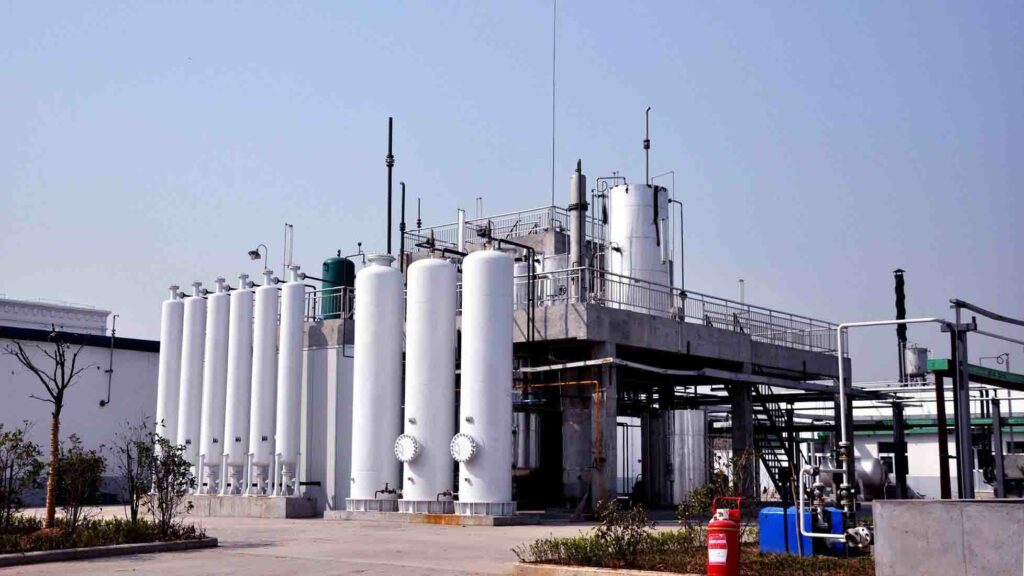
Molecular Sieve Solutions
Generally, air compressors or adsorption air dryers use activated alumina as adsorbent desiccants. However, activated alumina only has greater adsorption capacity at high water pressures, and its pore size distribution is simple, surface area is limited, sometimes it cannot meet the equipment’s air drying requirements.
At this time, molecular sieve is needed as an adsorbent desiccant. Molecular sieve has a larger surface area than activated alumina, and its pore size distribution is very uniform and has good adsorption selectivity. Even when the partial pressure of water vapor is very low, it still has a large adsorption capacity. Therefore, molecular sieve is suitable for deep dehydration or drying of compressed air.
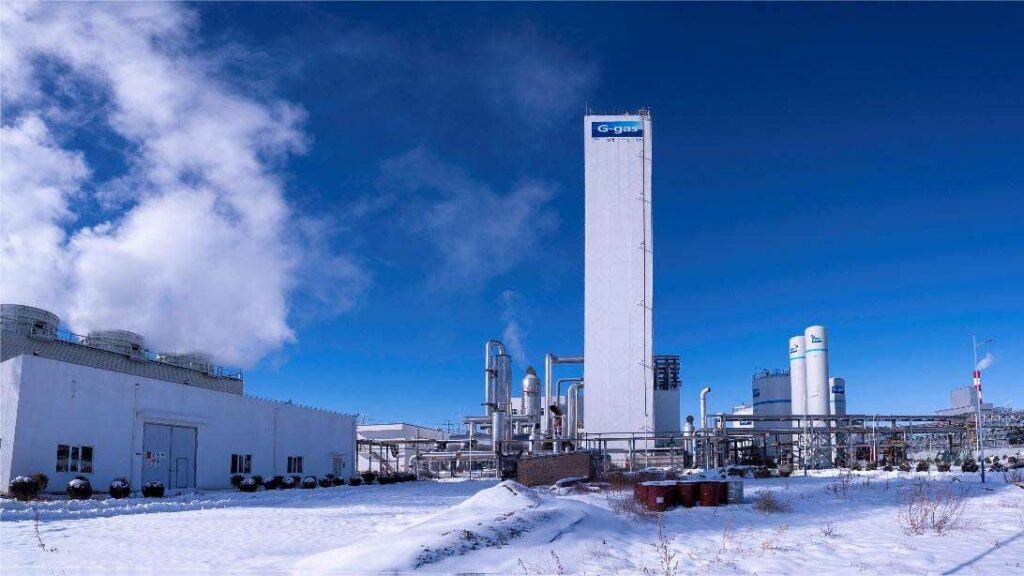
When processing compressed air with a large moisture content, the compressed air should be pre-dried with activated alumina, and the remaining moisture should be deeply dehydrated or dried by molecular sieve. This not only ensures the deep drying requirement of the equipment, but also avoids the shortcomings of molecular sieve with small adsorption capacity, easy failure, and frequent regeneration and replacement when the moisture content is high. So that the activated alumina and molecular sieve can each achieve optimal adsorption state, and the equipment’s air drying requirements can also achieve best operation conditions.
SNOWPEAK can provide specialty molecular sieve and activated alumina for industrial air drying applications, based on different air compressor or air dryer equipment.