
Drying of pneumatic brake systems includes the removal of moisture in automobile air conditioning systems and air brake systems, which is used in vehicles such as cars, trucks, trains and ships.
Air Brake System Dehydration
The air brake system mainly relies on air, and the presence of water vapor in the air is unavoidable.
Especially when the air humidity is large, the compressed water vapor will turn into liquid water and enter various parts of the brake system through the pipeline, affecting the performance and service life of rubber products such as sensor joints and pump valves, resulting in air leakage of the brake system, failure of the gas storage tank, and abnormal braking etc.
When the temperature is low, the water will freeze in the brake system, which will lead to freezing of the pipeline, failure to open the pump valve and other problems, resulting in brake failure, which is very dangerous, so the drying function is essential.
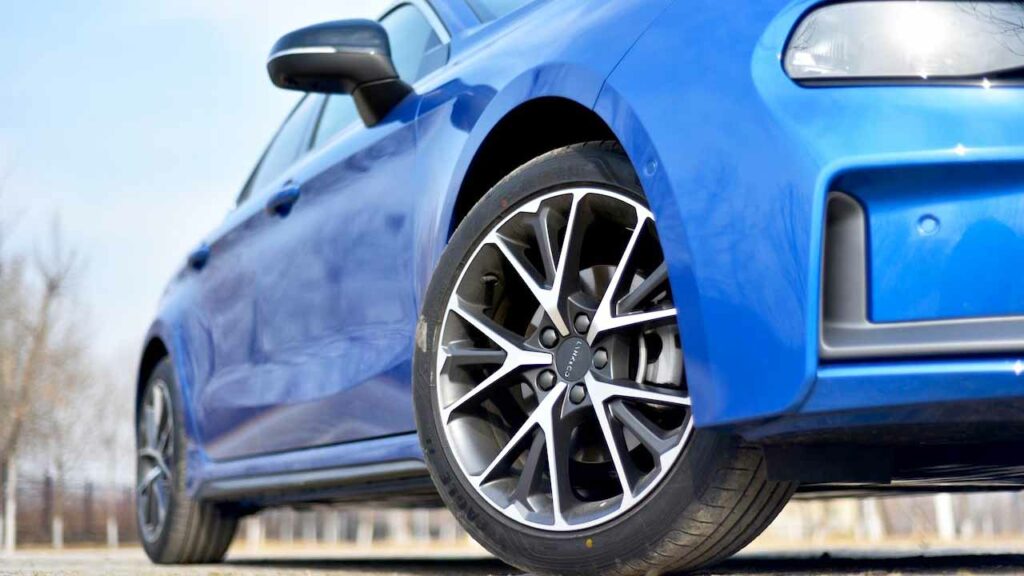
Molecular Sieve Solutions
The molecular sieve desiccant used for automobile brakes, not only absorbs moisture in the compressed air; but also uses the unloading and exhausting process of the pressure regulating valve in the air circuit, to make the desiccated compressed air in the regeneration air storage cylinder pass through the molecular sieve in the reverse direction, taking away the moisture adsorbed on the surface of the molecular sieve and discharging it into the atmosphere.
Therefore, the molecular sieve is regenerated and can be reused, saving replacement costs.
SNOWPEAK specialty molecular sieve designed and developed for the automotive industry, aims at the air brake system dehydration. It has the characteristics of high moisture absorption rate, no hydrolysis when exposed to water, low wear rate, no powder loss, low price, green and environmentally friendly, and high water absorption rate in high-speed air flow.
It is a perfect desiccant product for automotive air brake system, and air conditioning and refrigeration system.