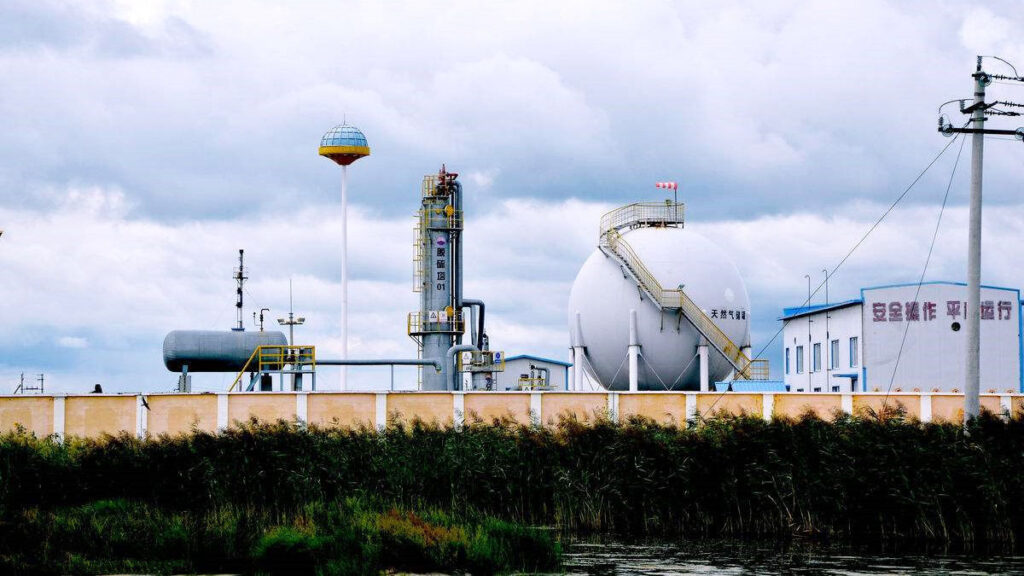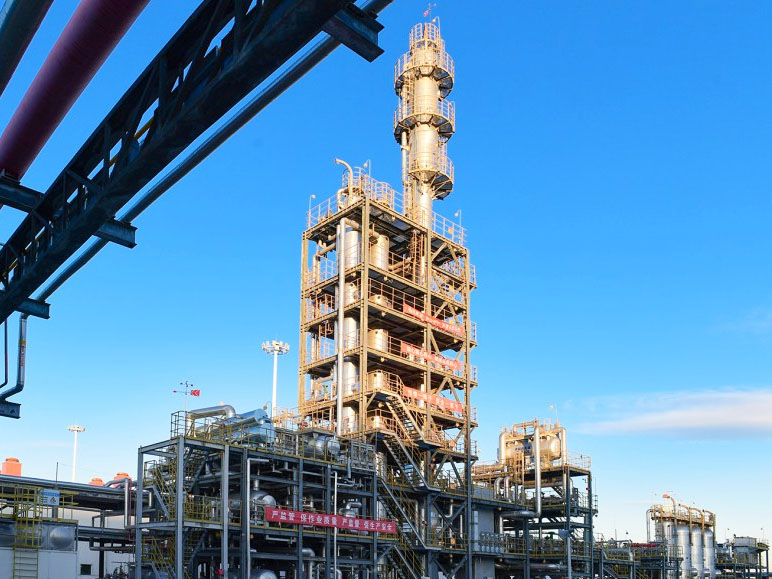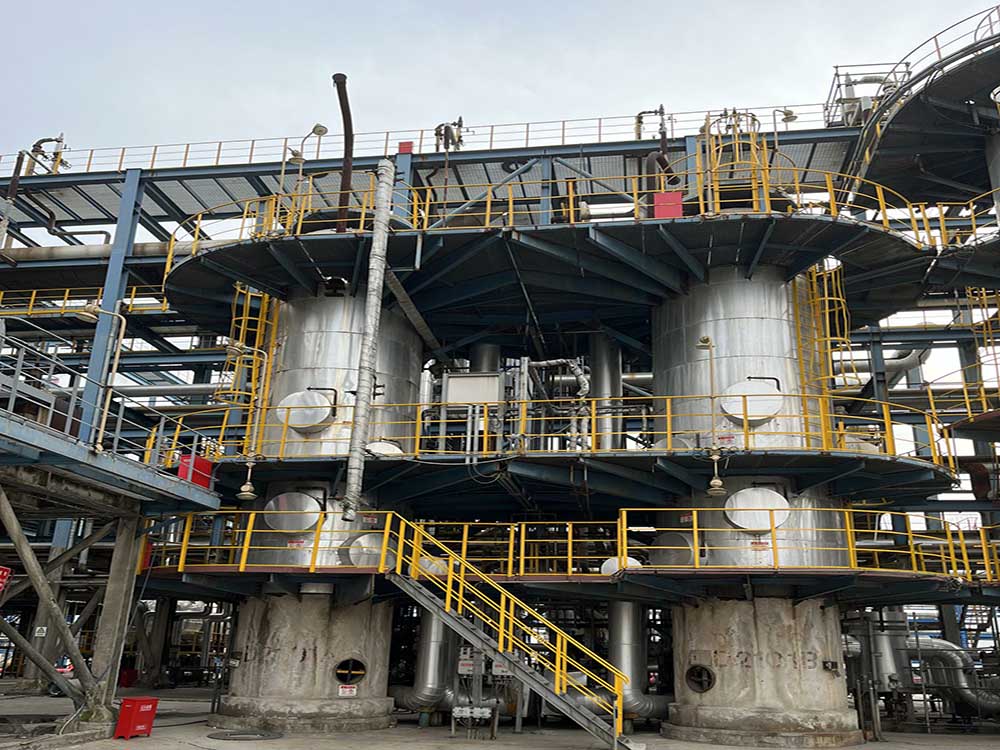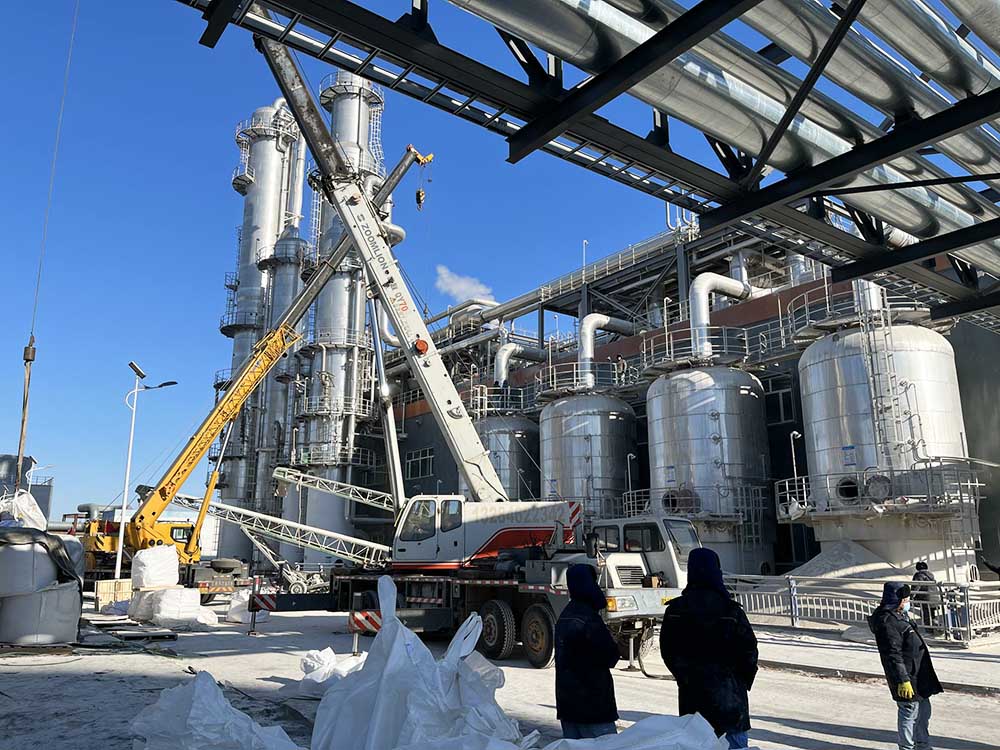
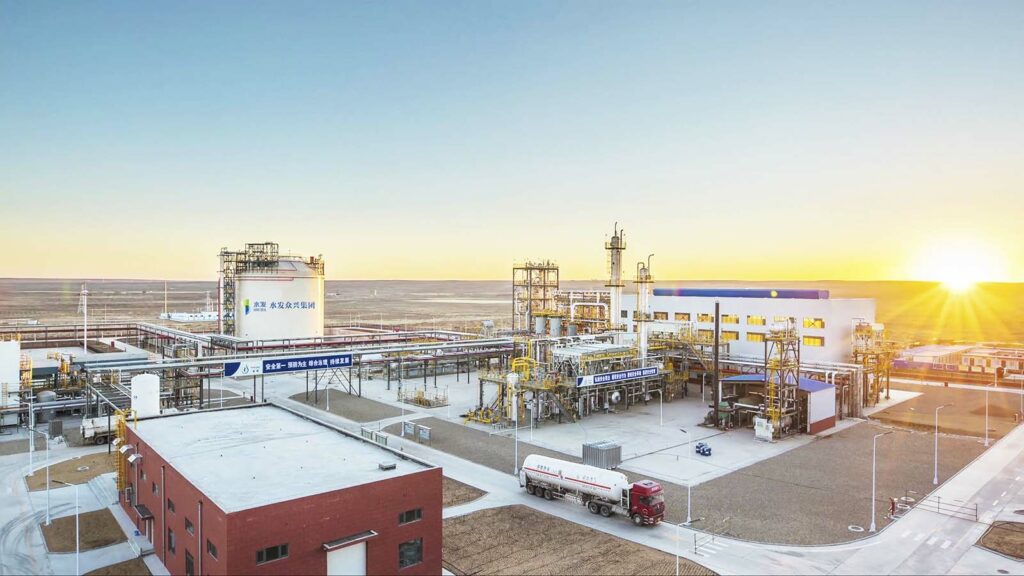
The natural gas from the wellhead is often saturated with water vapor, and even carries a certain amount of liquid water. The presence of water in natural gas causes serious consequences. For example, carbon dioxide and hydrogen sulfide contained in the natural gas, forms acid in the presence of water and corrodes pipelines and equipment.
Natural Gas Industry
Under certain conditions, natural gas hydrate forms and clogs valves, pipelines and equipment; reduces pipeline capacity, resulting in unnecessary power consumption. The presence of moisture in natural gas is a very negative thing, so natural gas dehydration is very necessary.
Natural gas compositions can vary over a wide concentration of hydrogen sulfide, carbon dioxide and hydrocarbon components. If the hydrogen sulfide content exceeds the sales gas specification limit, the excess hydrogen sulfide must be separated from the sour gas. The removal of hydrogen sulfide is known as natural gas sweetening.
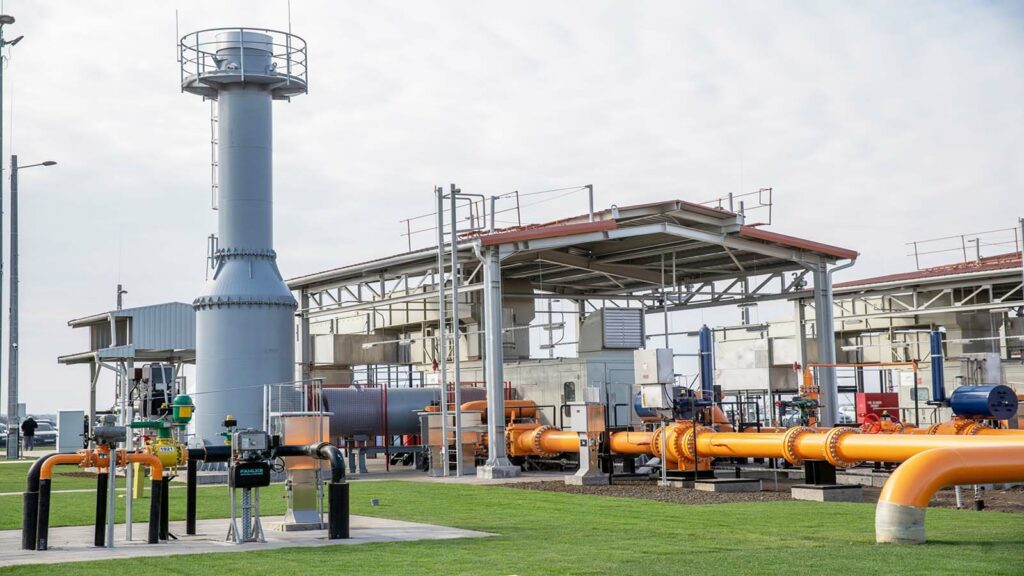
Molecular Sieve Solutions
In the current market, most natural gas dehydration devices use the strong adsorption of water vapor molecules by synthetic molecular sieve to remove water. Natural gas industry is also one of the earliest industrial fields of molecular sieves.
When the natural gas passes through the molecular sieve bed, the water vapor molecules in the gas enter the pores inside the molecular sieve with the air flow. Because water molecules are strongly polar molecules, they are adsorbed on the pores and no longer flow with the gas. However, hydrocarbon gases such as methane are non-polar molecules and will pass smoothly, and the gas will be dehydrated.
SNOWPEAK specialty molecular sieve for natural gas industry can deeply dehydrate the gas, even at higher temperatures; can selectively adsorb water to avoid co-adsorption of heavy hydrocarbons; and not easily be damaged by liquid water, compared to other adsorbents.
- Natural gas dehydration
- Natural gas sweetening
- Water removal from liquid hydrocarbons
- Carbon dioxide removal from natural gas
- Raw material dehydration in nuclear industry
- Syngas dehydration and depuration
- Desulfurization for synthesize ammonia
- Nitrogen and hydrogen separation in cracked ammonia
- Hydrogen extraction from the synthetic ammonia tail gas