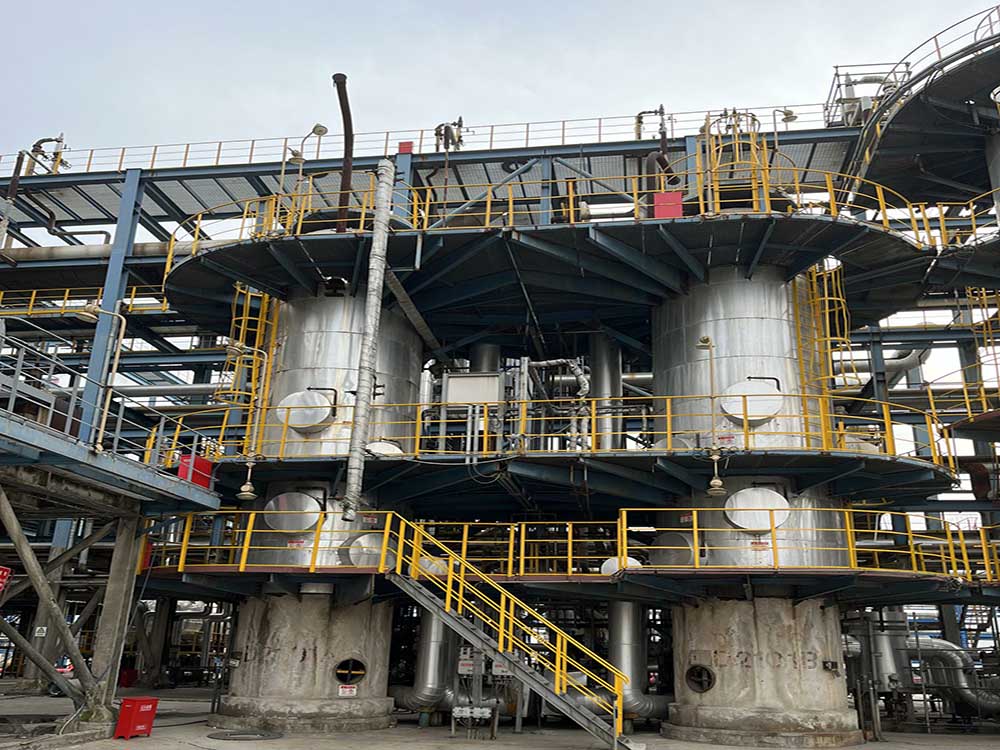
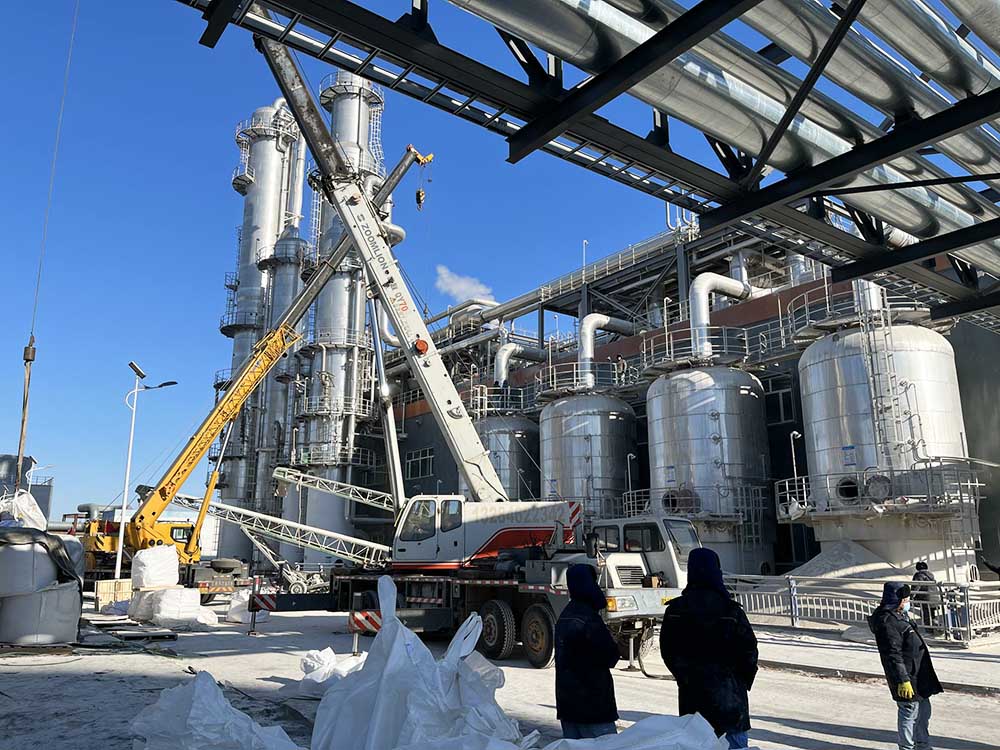
Foaming problems in the production of polyurethane products, resulted in the carbon dioxide produced by the reaction between trace amounts of water and isocyanate.
Polyurethane Industry Challenge
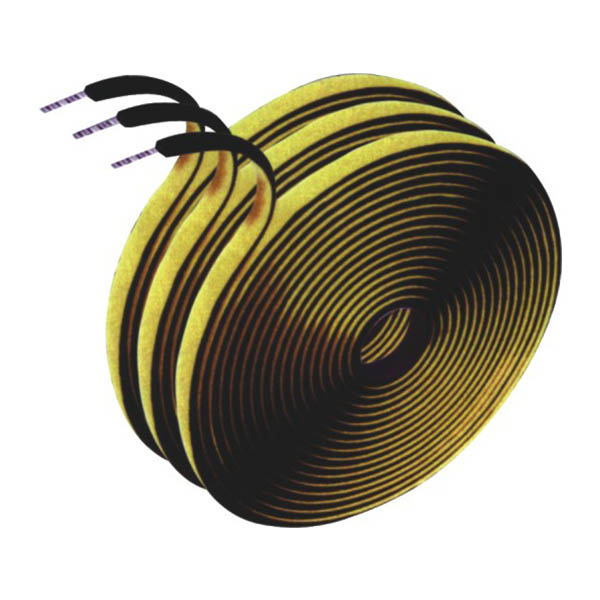
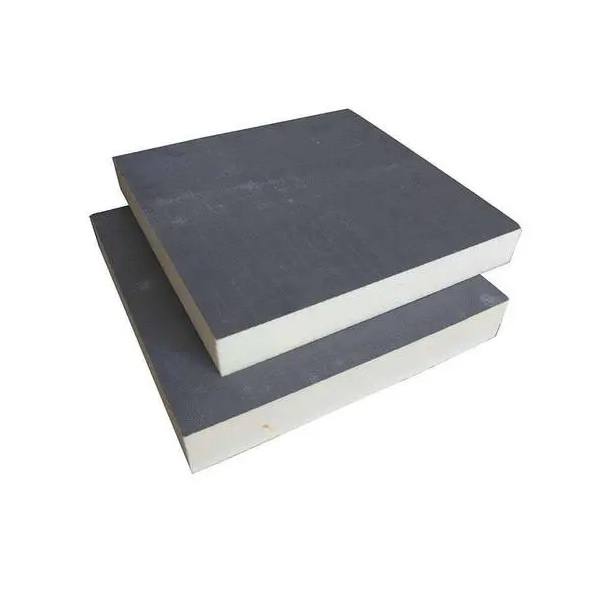
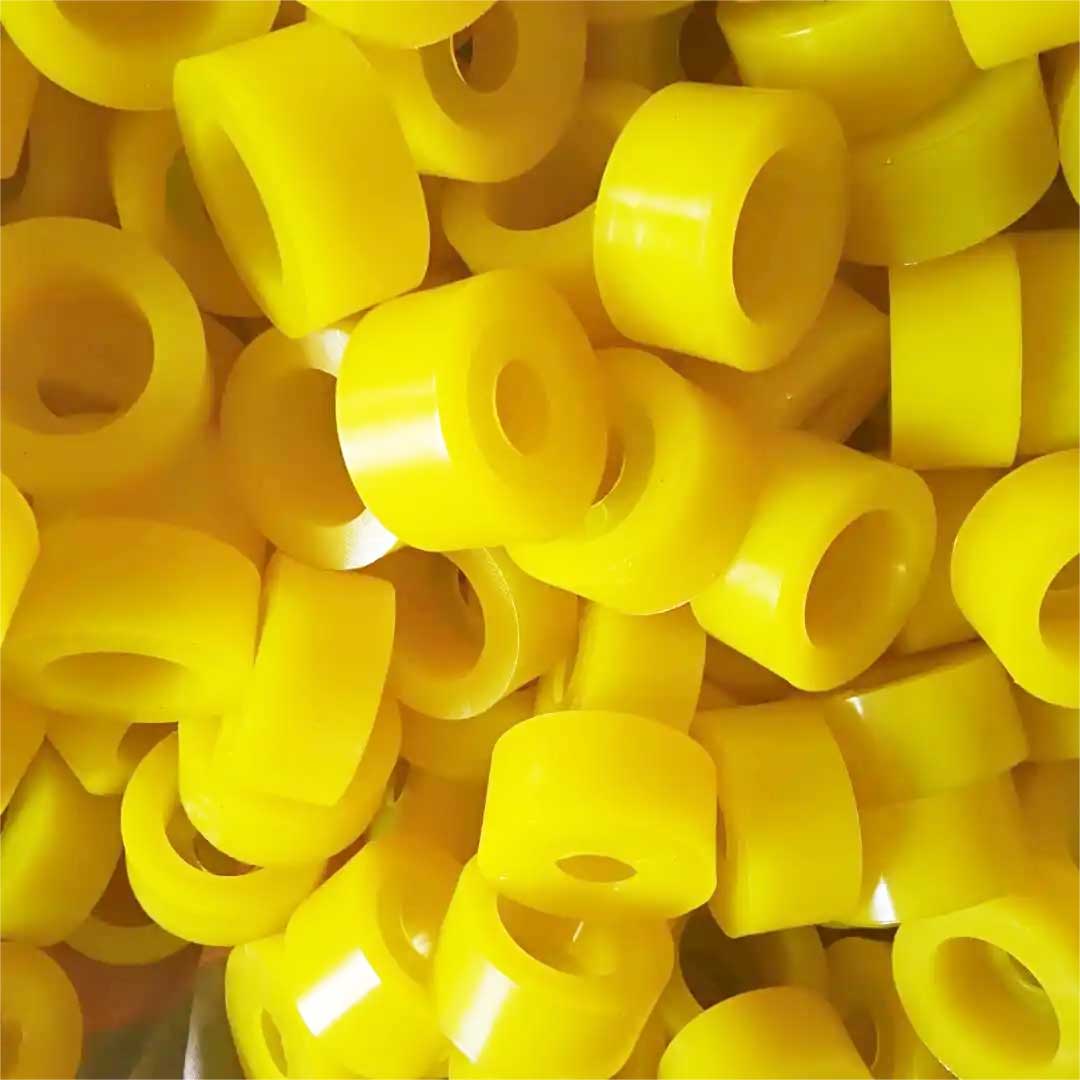
Moisture is one of the primary challenges in the production of polyurethane (PU) products. Even the smallest amount of water in polyols can react with isocyanate to form carbon dioxide, resulting in foaming. At the same time, a lot of heat is released, resulting in a shorter potlife.
In some painting or coating systems, moisture in constituents (solvents, pigments, additives) can cause adverse effects. For example, in metal or zinc-rich coatings, the presence of trace moisture will react with active metal pigments zinc, aluminum, etc., to produce hydrogen, which will lead to excessive pressure in the tank, and even lead to leakage in extreme environments.
activated zeolite powder in paintings
molecular sieve for Polyurethane defoaming agent
molecular sieve for painting and coating
molecular sieve for Polyurethane defoaming agent
molecular sieve for Polyurethane defoaming agent
activated zeolite powder in coatings
molecular sieve for Polyurethane defoaming agent
molecular sieve for Polyurethane
Molecular Sieve Solutions
Molecular sieve activated powder (or activated zeolite powder), has excellent chemical stability, and the molecular sieve itself will not react with the system.
When added to polyurethane and other product systems, it can effectively selectively adsorb trace water in typical polyurethane formulations, inhibit the occurrence of side reactions, so as to reduce the generation of bubbles and extend the potlife.
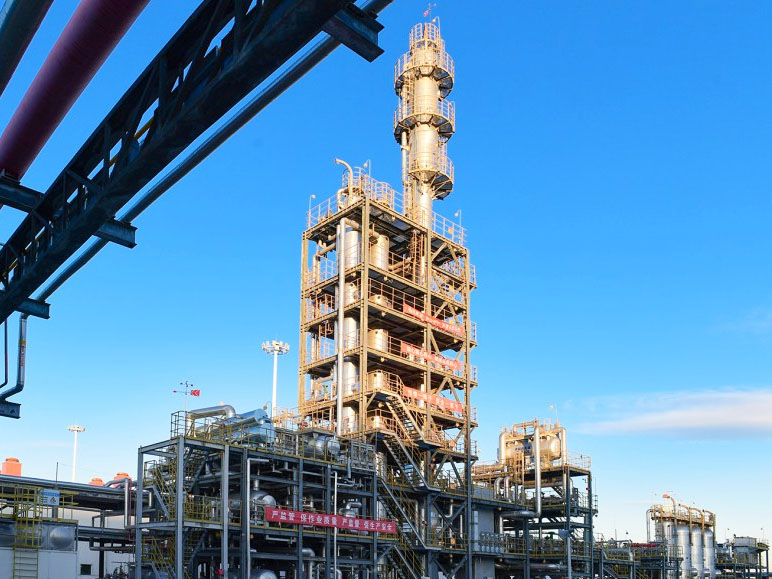
SNOWPEAK specialty molecular sieve for polyurethane industry has exceptional adsorptive capacity at very low moisture levels, which make it the ideal choice for applications in which even the smallest amount of water can be damaging to the polyurethane products.