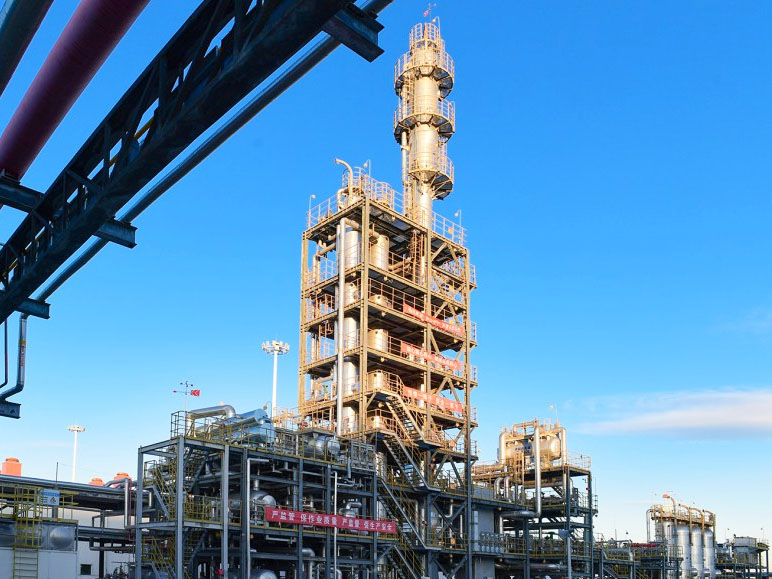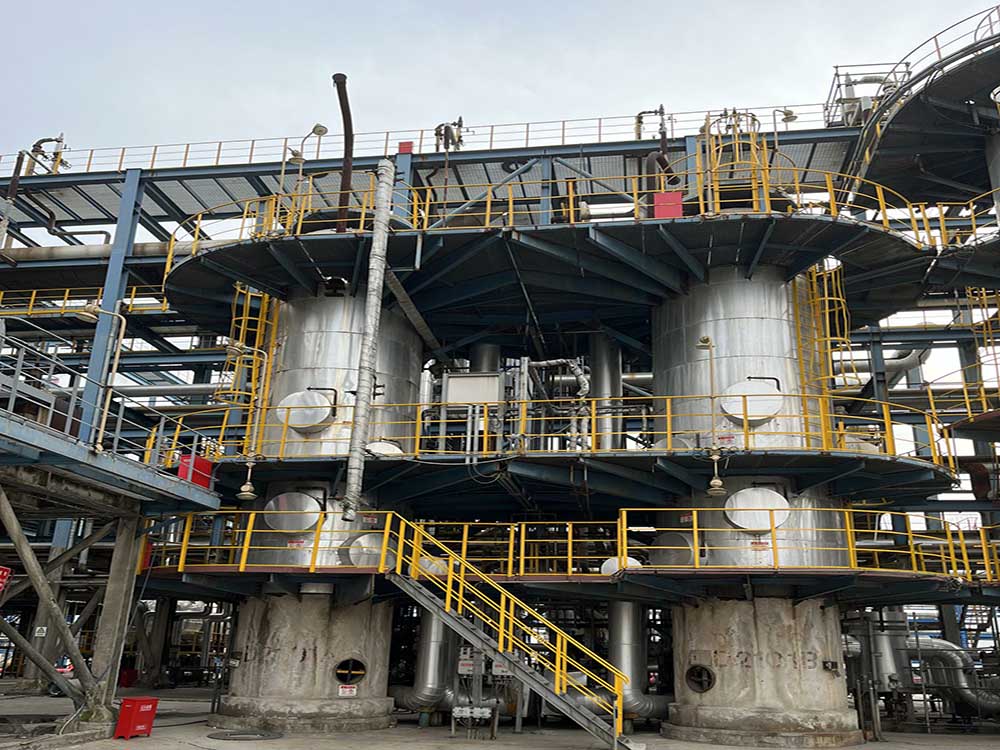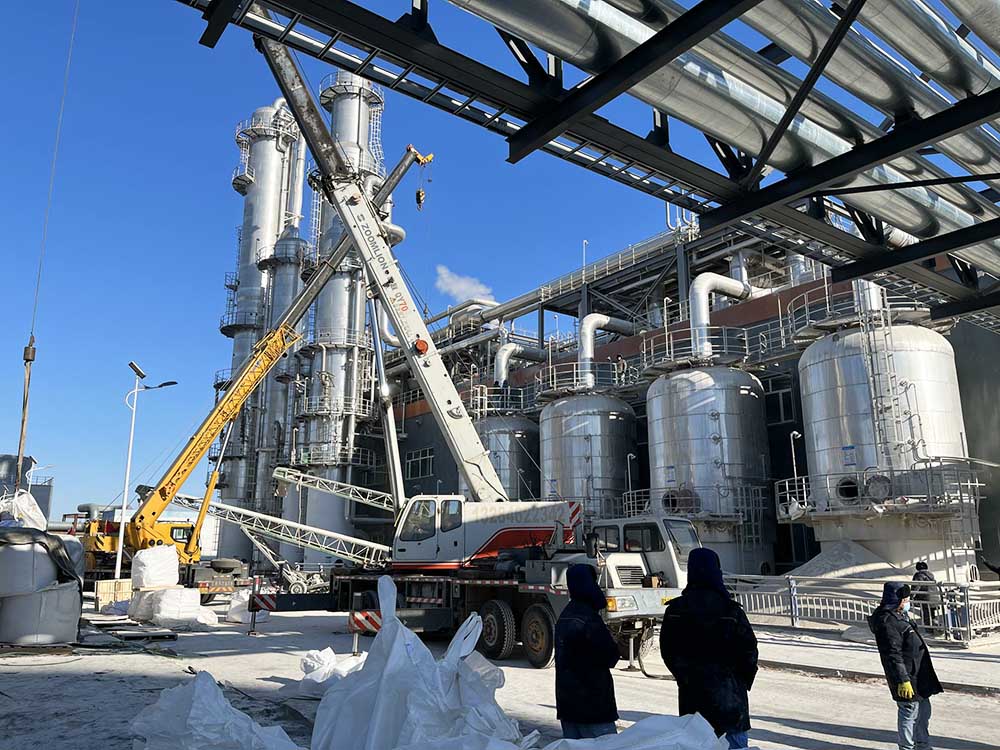

The regeneration of molecular sieve in oil cracked gas drying process, is not only an economical and efficient choice, but also an important practice of green chemistry. We can design the regeneration process scientifically, to maximize resource utilization, reduce environmental burden, and at the same time ensure the continuity and efficiency of petrochemical production.
Characteristics of Molecular Sieves
In order to ensure the use effect, molecular sieves must be calcined and activated at high temperature in the production process to remove the crystal water. And the water content is controlled to less than 1%, when the molecular sieve is out of the furnace.
Since the working conditions of molecular sieves are mostly large pressure differences (especially when switching between adsorption and regeneration), it is very easy to cause damage to the molecular sieve. In addition to affecting the service life of the molecular sieve, it may also cause serious consequences such as blockage of equipment pipelines. Note that, the crush strength of molecular sieves is basically inversely proportional to their adsorption capacity.
Operating Conditions of Cracked Gas
Generally, The cracked gas contains 400-700 ppm of water, which will freeze into ice during the cryogenic separation operation. Besides, the water can also react with low-carbon alkanes (such as CH4, C2H6 and C3H8) under high pressure and low temperature conditions, to form white crystalline hydrocarbon hydrates. Ice and hydrocarbon hydrate crystals can cause pipeline and equipment blockage, and even cause shutdown. Therefore, oil cracked gas must be deeply dehydrated and dried before cryogenic separation, and the water content need to be reduced to less than 3 ppm (the dew point below -70℃).
The most ideal adsorbent is type 3A zeolite molecular sieve. Since it only adsorbs water in the cracked gas and does not adsorb larger hydrocarbon molecules (such as C2H6, C2H4, C3H8 and C3H6), it can avoid coking of olefin compounds inside the molecular sieve pores, thereby extending the service life of the adsorbent.
Preparations before Regeneration
a. Check carefully whether the upper and lower screens in the container are damaged. and whether they are firmly fixed;
b. Pour the molecular sieve gradually into the adsorption tower through the filling funnel and the bottomless bag, always keep the distance between the filled adsorbent layer and the bottom of the bag within 1 meter during filling;
c. Fill the molecular sieve to the specified height and level it, seal the manhole flange to prevent external air from penetrating.
Regeneration of Molecular Sieves
a. The inlet temperature of the adsorption tower is 230-290℃, and the outlet temperature after heating is greater than 150℃, the peak temperature of the cold blow outlet is ≥180℃;
b. The regeneration gas must be dry and cannot contain components that can be adsorbed by molecular sieves (dry nitrogen or methane is best);
c. The degree of regeneration depends on the temperature, flow rate and humidity of the hot drying gas.