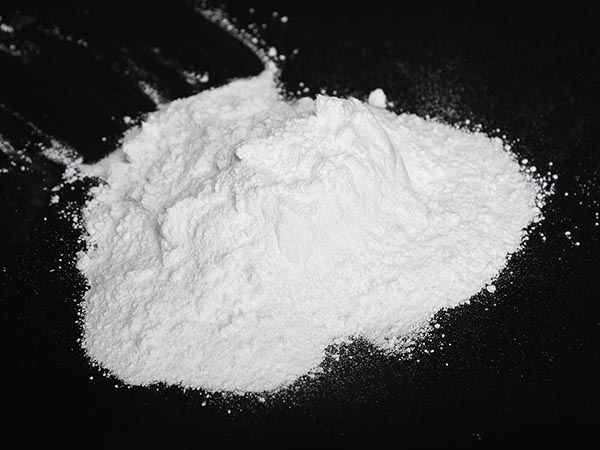
Beta molecular sieve is very beneficial to petroleum hydrodewaxing and pour point reduction. The pore characteristics of Beta molecular sieves make it highly selective for breaking chain hydrocarbons in the cracking reaction. During the cracking process of petroleum hydrocarbons, cracking products with high carbon numbers and low pouring points can be obtained. Therefore, Beta molecular sieves are used as a base based on petroleum hydrocarbons. Refining catalysts for raw materials have good industrial application prospects. The pouring point of diesel produced by it is much lower, and it is a new type of hydrocracking catalyst for producing low pouring point diesel and medium oil type. Adding modified Beta molecular sieve to FCC catalyst can reduce the olefin content of catalytic cracking, and at the same time, it can appropriately increase the octane number, reduce the condensation rate of medium-grade oil (diesel), etc. For disproportionation reactions and alkylation reactions such as toluene, trimethylbenzene and C9, Beta molecular sieve has stability and high selectivity.
Technical Specification
| Beta |
SiO2/Al2O3(mol/mol) |
Cation Form |
Na2O(wt%) |
Crystallinity(%) |
BET Surface Area(㎡/g) |
| XS-B-25H |
23 |
H |
0 |
≥95 |
≥700 |
| XS-B-30H |
27 |
H |
0 |
≥95 |
≥700 |
| XS-B-40H |
40 |
H |
0 |
≥95 |
≥700 |
| XS-B-70H |
68 |
H |
0 |
≥95 |
≥650 |
| XS-B-100H |
92-110 |
H |
0 |
≥95 |
≥650 |
| XS-B-150H |
148 |
H |
0 |
≥95 |
≥650 |
| XS-B-300H |
298 |
H |
0 |
≥95 |
≥600 |
| XS-B-800H |
820 |
H |
0 |
≥94 |
≥600 |
Application
- Used in the alkylation of propylene and ethylene to produce cumene and ethylbenzene;
- Performed good activity and selectivity in reactions such as deamination and dehydration;
- Increase the octane number of gasoline, used together with USY molecular sieves;
- Unique selectivity and good catalytic activity in the para-alkylation reaction of phenol;
- Widely used in automobile exhaust emission control, industrial exhaust gas purification, and emission reduction of volatile organic compounds (VOC), NOx and N2O;
- Adsorption of macromolecular volatile organic compounds, deodorization and replacement of activated carbon.