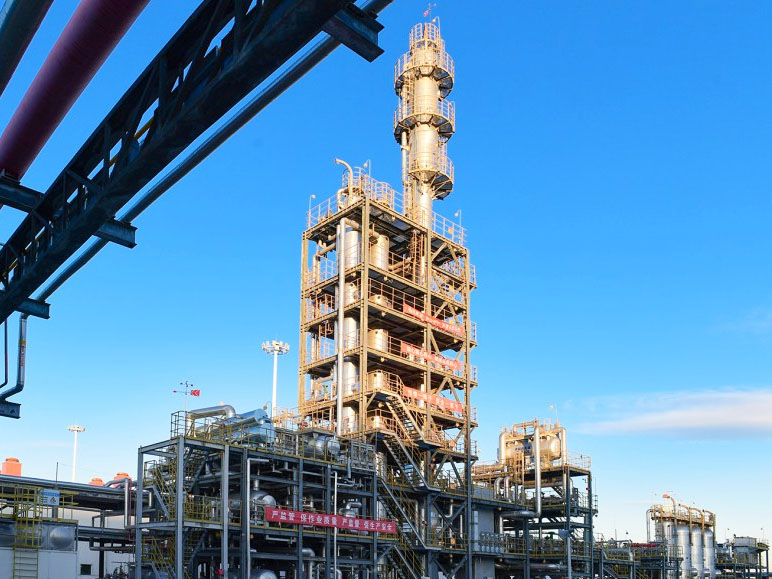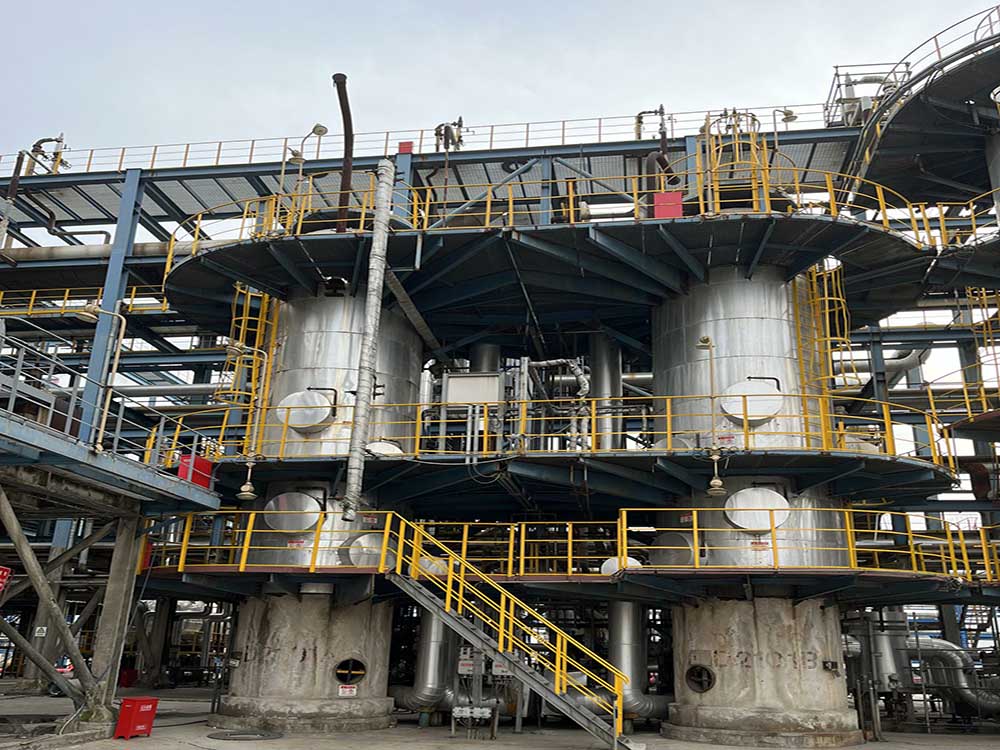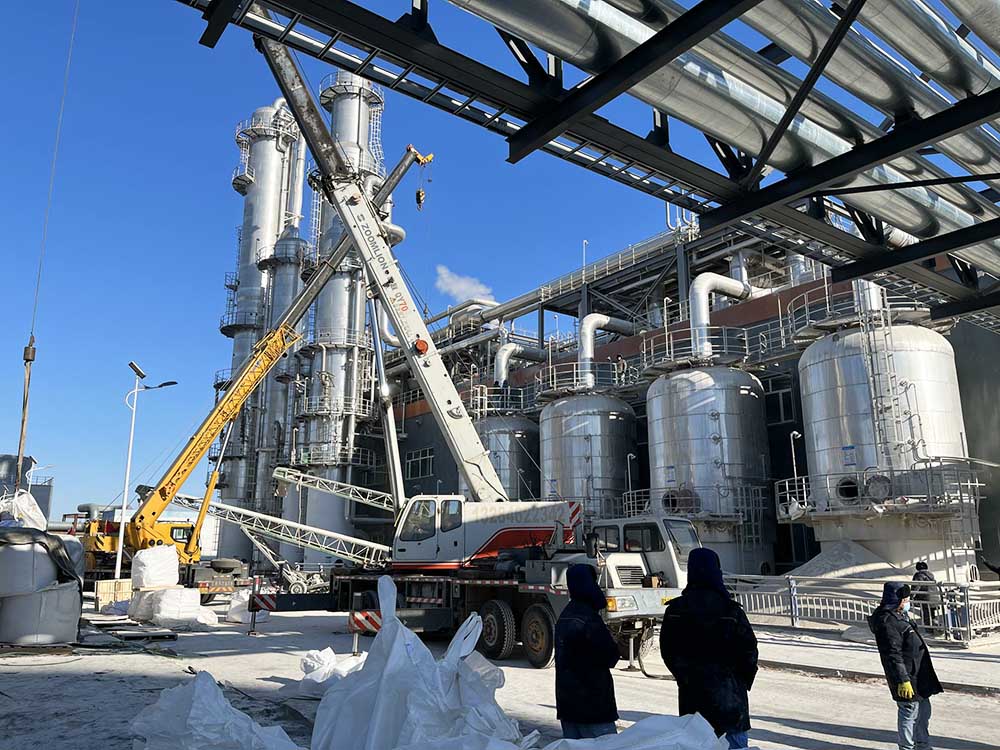
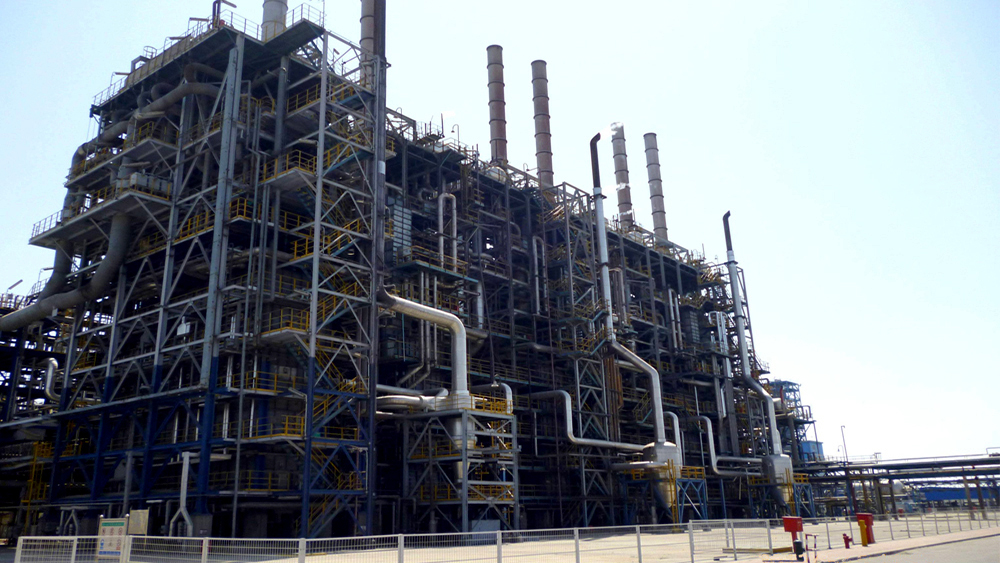
Zeolite molecular sieves are widely used for the dehydration of oil cracked gas. Let’s draw a brief outline of the application practice.
What is Oil Cracked Gas?
Cracked gas is a multi-component mixed gas generated during the high-temperature cracking of petroleum hydrocarbons to produce lower olefins.
Why Need to Dry Cracked Gas?
The purpose of cracked gas dehydration is to carry out subsequent separation and processing. The moisture in the cracked gas must be removed to prevent it from reacting with hydrocarbons at low temperatures to form hydrocarbon hydrates (such as CH4·6H20, C2H6·7H20, etc.), which will freeze in pipelines and equipment and cause blockages.
Characteristics of Cracked Gas Drying
a. Gas composition is complex, including methane, ethylene, propylene, butene, etc.;
b. Contains heavy hydrocarbon components such as C4+;
c. High operating pressure and high operating load;
d. Complicated regeneration process.
Advantages of Molecular Sieve for Cracked Gas Drying
a. High dehydration depth, can obtain products with lower dew point (-60 to -90℃);
b. High water absorption capacity, even at low water vapor partial pressure;
c. High selectivity, prevents hydrocarbon co-adsorption and coking;
d. Strong water absorption performance even at high temperature (the working temperature of cracked gas is 16-230℃);
e. Good drying efficiency for high-speed gas;
f. High temperature resistance (regeneration temperature 290-330℃), high compressive strength (≤8.0Mpa).