Polyvinyl chloride (PVC) is extremely sensitive to heat, of poor thermal stability, and zeolite has the ability to absorb hydrogen chloride (HCl), to inhibit the decomposition of PVC.
PVC Thermal Stabilizer
PVC is widely used in various applications, but it is inherently heat-sensitive and prone to degradation at high temperatures. Thermal stabilizers are added to prevent decomposition, discoloration, and mechanical property loss during processing and long-term use.
Common stabilizers used in PVC are lead salts, metal soaps, organic tin, complex heat stabilizers, phosphites, monohydric alcohols and polyhydric alcohols, epoxies and nitrogenous compounds, etc.
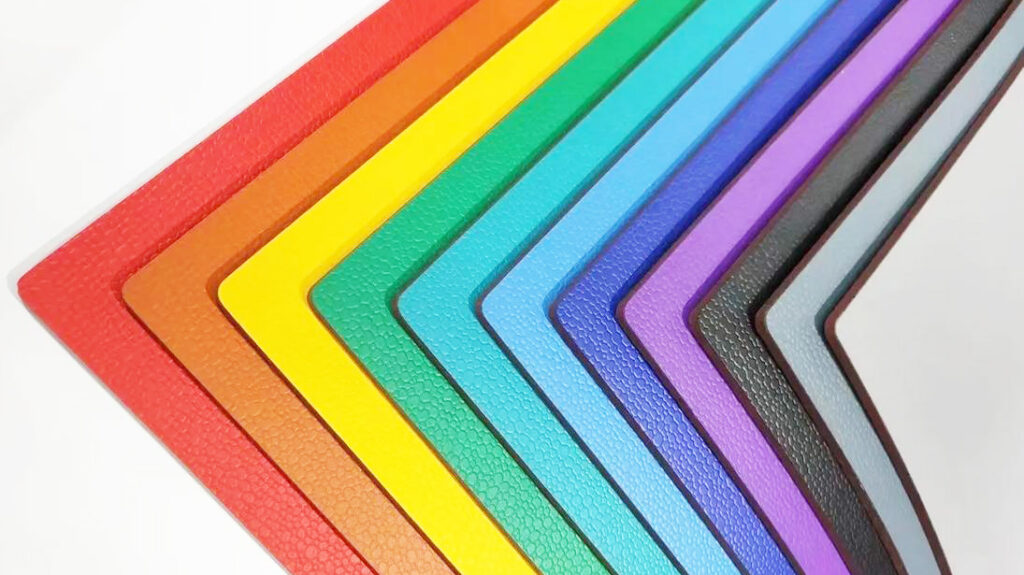
PVC thermal stabilizers can be extensively applicated in rigid PVC (pipes, window profiles, siding, and fittings); flexible PVC (cables, synthetic leather, flooring, and automotive interiors); medical and food grade PVC (blood bags, tubing, food packaging, and water pipes).
HCl Removal
The main function of thermal stabilizer is to prevent HCL release. PVC releases HCL when exposed to heat, leading to further degradation. And the stabilizers neutralize HCL and prevent autocatalytic decomposition, which can cause discoloration and mechanical failure.
In addtion to HCL removal, PVC stabilizer also play roles in enhancing heat resistance, improving weatherability, mantaining mechanical properties and so on.
Zeolite PVC Stabilizer
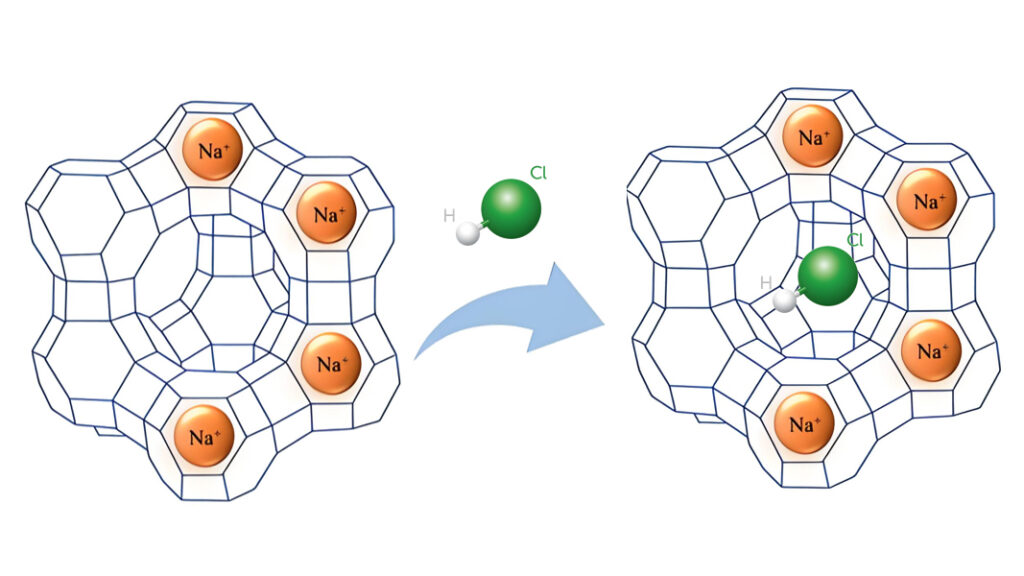
Zeolite has the ability to adsorb HCl, which is due to its cation exchange performance, large specific surface area, and excellent adsorption properties. Using zeolite as a PVC heat stabilizer can improve the heat stabilization effect of calcium and zinc composite stabilizers.
Zeolites that can be used for PVC heat stabilizers include A-type zeolite, P-type zeolite, X-type zeolite, and Y-type zeolite. However, considering the using effect and cost-effectiveness, A-type zeolite is more suitable for calcium and zinc complex stabilizer.
Advantages of 4A Zeolite in PVC Stabilizer
- Adsorption of HCl
PVC plastic can only be formed at above 160℃, but it begins to thermally decompose at 120-130℃, releasing HCl gas, which accelerates the degradation of PVC.
The main component of 4A zeolite powder is active aluminosilicate. The alkaline groups attached to its surface and many cavities can absorb HCl released by PVC degradation, thereby effectively slowing down the structural decomposition of PVC and significantly improving its long-term thermal stability. This feature enables PVC products to maintain stable performance in a wider temperature range.
- Enhanced anti-discoloration ability
4A zeolite powder can effectively prevent discoloration of PVC products due to aging and maintain the appearance quality of the products.
- Significant synergistic effect
When 4A zeolite powder is used in combination with zinc stearate (ZnSt2) or tin heat stabilizer (the appropriate ratio is 1.5:1), it can produce a unique synergistic effect and further improve the comprehensive performance of PVC products.
- Improve processing performance
The addition of 4A zeolite powder makes PVC easier to flow during processing, reduces equipment corrosion and blockage, and improves processing efficiency.
- Improve flame retardancy
Zeolite has a certain flame retardant effect on PVC. Zeolite loses water when heated, which can take away some heat and dilute combustible gases to play a flame retardant role.
- Good environmental protection
As a green and environmentally friendly material, 4A zeolite powder replaces traditional lead stabilizers, reduces the risk of environmental pollution in the production process of PVC products, and meets the high standards of modern industry for environmental protection.
- Cost reduction
4A zeolite powder can replace high-priced stabilizers such as zinc stearate and methyl tin mercaptan in proportion as needed, and significantly reduce production costs while maintaining the stability of PVC.